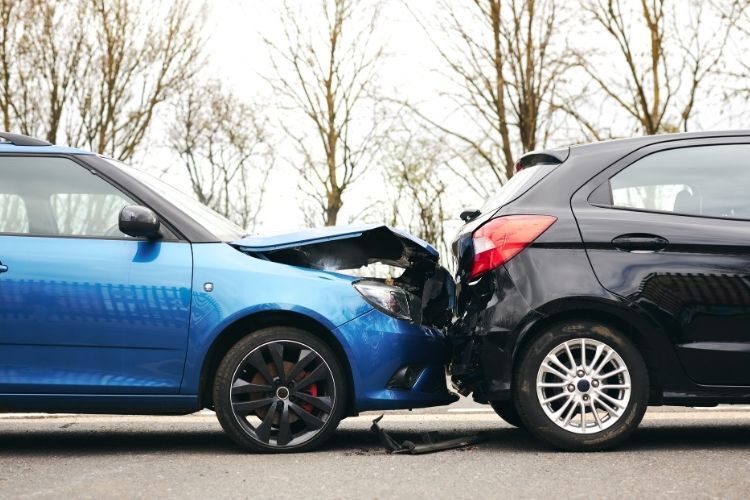
The crash is over, the information has been exchanged, and you feel mostly fine. Maybe your neck is a little stiff. Maybe your lower back aches and you blame the seatbelt. So when should you actually see a chiropractor after a car accident?
The short answer is sooner than most people expect, and usually before the pain tells you something is wrong. Adrenaline hides symptoms, and soft tissue injuries often take days to show up. This guide covers the warning signs, a practical timeline for booking care, and how ICBC coverage works for patients in Coquitlam and the Tri-Cities.
Why Pain Often Shows Up Days After a Collision
In the minutes after a crash, your body floods with adrenaline. That surge dulls pain, which is helpful in the moment and misleading afterward. Many people leave the scene feeling lucky, then wake up two mornings later barely able to turn their head.
What Whiplash Feels Like
Whiplash happens when your head snaps forward and back faster than your neck muscles can control. The muscles, ligaments, and joints of the neck and upper back get strained, sometimes in a fraction of a second. If you are wondering what whiplash feels like, these are the most common signs:
- Neck pain and stiffness, especially when turning your head
- Headaches that start at the base of the skull
- Shoulder and upper back tension
- Dizziness or trouble concentrating
- Unusual fatigue
Delayed whiplash symptoms are common, often appearing within a day or three of the collision. That delay is exactly why waiting for pain before booking an assessment can work against you.
Go to Urgent Care First If You Notice These Red Flags
A chiropractor is not a replacement for emergency care. If you have any of the following after a collision, go to an emergency department or call 911 before anything else:
- A severe or worsening headache
- Numbness, tingling, or weakness in your arms or legs
- Loss of bladder or bowel control
- Chest pain or trouble breathing
- Confusion, repeated vomiting, or vision changes
- Intense neck pain after a high-impact crash
Once serious injuries have been ruled out, a chiropractor can take over the musculoskeletal side of your recovery. HealthLink BC is a helpful starting point if you are unsure whether your symptoms need urgent attention.
A Practical Timeline for Seeing a Chiropractor After an Accident
There is no single perfect day to book, but there are clear windows. Here is how to think about timing.
The First 72 Hours: The Ideal Window
If you have no red flags, getting assessed within the first few days is a smart move, even when you feel fine. An early exam gives you a baseline, documents your injuries, and lets you start gentle, appropriate care before stiffness sets in. It also creates a clear record linking your symptoms to the collision, which matters for your ICBC claim.
Days 4 to 14: When Delayed Symptoms Appear
This is when many patients reach out. Muscles that guarded the injury begin to tighten, and new aches show up in the neck, shoulders, or lower back. If your symptoms are growing rather than fading, book now instead of waiting another week.
Weeks 2 to 6: Stiffness That Will Not Let Go
Mild whiplash often settles over several weeks, but not always. If you still have pain, limited movement, or recurring headaches after two weeks, your body is telling you it needs help moving normally again. People often ask how long whiplash takes to heal, and the honest answer is that it varies from person to person. That is why a personalized assessment beats guessing.
After Six Weeks: Do Not Wait It Out
Lingering pain can become a long-term pattern as your body compensates, changing how you sit, walk, and sleep. It is never too late to seek care, but earlier is easier. Treatment tends to be simpler before those compensation patterns settle in.
What a Chiropractor Does After a Collision
A Thorough Assessment Comes First
At Functional Chiropractic & Massage Therapy, your first visit is about understanding what happened to your body. Dr. Sherma Libatique starts with a comprehensive assessment: how the collision happened, where it hurts, and how your neck and spine move. If anything suggests you need imaging or a medical referral, she will tell you.
Treatment That Matches the Injury
Care is tailored to what the assessment finds. For many accident patients that means gentle chiropractic adjustments, Active Release Techniques (ART) for strained soft tissue, and rehab exercises that rebuild strength and mobility. Dr. Libatique is certified in ART, which is not offered at every clinic. Collisions can also aggravate or trigger problems like sciatica, herniated discs, and lower back pain, all of which our team treats. Dr. Libatique holds a Doctor of Chiropractic degree from the University of Western States and a Bachelor of Health Sciences from Simon Fraser University, and has experience with ICBC and WorkSafeBC claims. Chiropractors in B.C. are regulated by the College of Chiropractors of British Columbia.
How ICBC Coverage Works for Chiropractic Care
If your injury comes from a motor vehicle accident in B.C., ICBC may cover your chiropractic care. At our clinic you do not need a referral, and we bill ICBC directly so you are not paying out of pocket for eligible treatment. Our page on working with an ICBC chiropractor walks through the process step by step.
What to Bring to Your First Appointment
- Your ICBC claim number, if you have one
- The date of the accident
- Your Personal Health Number (PHN)
- Any emergency room or family doctor reports
No claim number yet? Our team can help guide you through it.
Why Timing Matters for Your Claim
Under an active claim, ICBC has allowed up to 25 chiropractic treatments within the first 12 weeks after the injury date. Limits can change, so confirm current details on the ICBC claims page. The takeaway is simple: that window starts on the day of your accident, and every week you wait is a week of coverage you could have spent recovering.
Do You Need a Referral to See a Chiropractor After an Accident?
No. You can book directly with us after your accident, even if you feel fine. If you have not yet been checked by a medical provider, or you have any of the red flags above, get that done as well. The two kinds of care work well together.
Do Not Let the Pain Set Your Schedule
The best time to see a chiropractor after a car accident is usually the first few days, once any emergency concerns are ruled out. If you are past that point, do not worry. Start now. Whether your neck is stiff, your back is sore, or something just feels off, a short assessment can tell you where you stand.
Dr. Libatique and the team at Functional Chiropractic & Massage Therapy care for accident patients from Coquitlam, Port Coquitlam, Port Moody, and Burnaby, with a second location in Richmond. Learn more about our ICBC chiropractic care, call 604-474-4708, or book your assessment online.
.jpg)